E-Bike Battery Guide: Volts, Amp Hours and Watt Hours
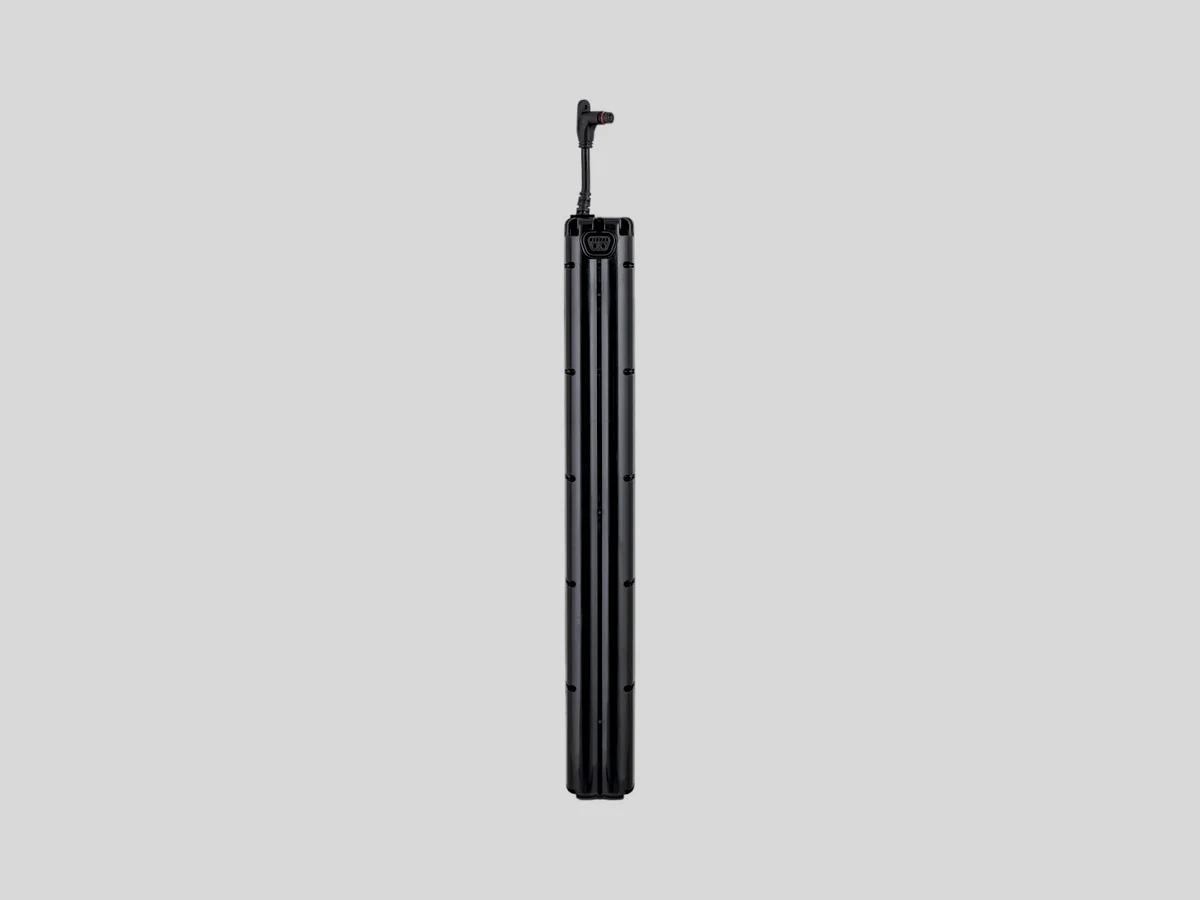
The battery is the most expensive and most misunderstood part of an electric bike. The numbers on the label, volts, amp hours and watt hours, can look like a foreign language. This e-bike battery guide breaks them down in plain English, explains how to choose a battery or charger, how to check compatibility and what to do when it is time for a replacement.
What the numbers mean
- Voltage (V) describes the electrical pressure of the battery. Common e-bike voltages include 36 V and 48 V. Higher voltage systems can deliver power more efficiently.
- Amp hours (Ah) describe how much charge the battery stores at that voltage.
- Watt hours (Wh) is the useful number. Multiply voltage by amp hours to get watt hours. A 48 V 19 Ah battery is about 912 Wh. A 36 V 10 Ah battery is 360 Wh.
Watt hours let you compare different batteries fairly. Higher means more stored energy and, generally, more range. Read our range guide to see how watt hours turn into kilometres.
Battery types and positions
Most modern e-bike batteries use lithium-ion cells in a protective case with a battery management system that guards against over-charging, over-discharging and overheating. They come in several forms:
- Frame-integrated or in-tube batteries sit inside the down tube for a clean look and low centre of gravity.
- Down tube mounted batteries are attached to the outside of the frame.
- Rear rack batteries sit above the rear wheel and are common on commuter bikes.
- Range extenders attach to a bike to add capacity, usually to a specific system.
Compatibility: the most important check
E-bike batteries are not universal. The battery must match the bike's electrical system, connector, mounting and communication protocol. Buying a battery with the right voltage that does not fit, or does not talk to the bike, is a waste of money and may be unsafe. Always check the manufacturer's compatibility information, the brand and model of your bike and the battery code or part number on your existing battery. If you are unsure, ask our team before you order.
Batteries and chargers in our range
All prices are the listed prices at the time of writing:
- Hyena Gen 2 In-Tube 250Wh Battery at $639.99.
- Hyena Range Extender Battery 250Wh at $839.99.
- Hyena Charger at $178.99.
- TQ HPR50 4A Charger at $349.99.
- Rocky Mountain Powerplay Charger 48V 5A at $150.
See everything on our ebike batteries and chargers page.
Matching the charger
A charger is matched to a battery's voltage, current and chemistry. Using the wrong charger can damage the battery, shorten its life or create a safety risk. If you need a replacement, buy a charger approved for your specific battery or system. The charger output, such as 48 V and 5 A, is printed on the charger label. A higher-amp charger charges faster, but only if the battery is designed for it.
Reading a battery label
Look at the label on your battery. It will show voltage, capacity in amp hours or watt hours, the model or part number and often a serial number and manufacture date. Take a photo and keep it, because the part number is what a supplier needs to confirm compatibility. If the label has worn off, check your bike's manual or contact the manufacturer or our team with the bike brand, model and year.
How the battery management system protects you
Inside every good e-bike battery is a battery management system, or BMS. It monitors each group of cells, stops charging when the battery is full, cuts power if the battery is nearly flat and shuts down if it gets too hot or detects a fault. This protects the cells and makes the battery safer, which is one reason we recommend approved batteries from the bike maker instead of unbranded alternatives.
Charging habits that protect capacity
Charge indoors in a cool place, and unplug when the battery is full. For daily riding you do not need to charge to 100 percent every time, and avoiding full charges when you do not need them can help long-term capacity if your system allows it. Do not run the battery flat regularly, and store it with a partial charge for long breaks. Our battery care guide explains the full routine.
How long does a battery last?
Most e-bike batteries are rated for several hundred to around a thousand charge cycles, depending on the battery and how it is treated. In practice this means several years of regular use. Heat, deep discharges and long periods at full charge shorten life, while good habits extend it. Read our battery care guide for charging and storage tips.
Signs it is time to replace a battery
- Range has dropped a lot compared with when the bike was new.
- The bike cuts out under load even with charge showing.
- Charging takes far longer than normal, or the charger never shows full.
- The battery is swollen, hot, damaged or smells unusual. Stop using it immediately.
Replace, extend or upgrade?
Before buying a new battery, check whether the problem is the battery or something else, such as a connector or charger. If the range is fine but you want more, a range extender may be the cheapest fix. If the battery is worn, a replacement from the manufacturer or an approved supplier is the right choice. Ask your bike's maker about warranty coverage first.
A note on conversion kits
Many people search for e-bike conversion kits with a battery. Kits can turn a regular bike into an e-bike, but they may not meet the EN 15194 standard and can change how the bike handles. A converted bike that exceeds the legal limits may not be legal on public roads, and the result may not be covered by any warranty. If you want a legal, supported e-bike, buying a complete bike is usually the safest route. See our electric bikes for sale.
Safety with lithium-ion batteries
- Charge on a hard, non-flammable surface, away from anything that could burn.
- Do not charge a damaged, swollen or wet battery.
- Do not leave a battery charging unattended for long periods.
- Use only the charger approved for your battery.
- Do not leave the battery in a hot car or in direct sun.
- Never open the case or try to repair the cells.
Storing a spare battery
If you own a second battery, store it the same way as the main one: indoors, cool and dry, at a partial charge. Rotate the batteries so that both get used, and check the spare every month. A spare battery that sits fully charged or fully flat for a year will lose capacity faster than one that is kept at a moderate level and used occasionally.
Travelling with a battery
Lithium-ion batteries are classed as dangerous goods for air travel, and airlines set strict limits and rules. Always check with your airline well before you fly, and never pack a battery in checked luggage unless the rules allow it. For road trips, carry the battery inside the car rather than leaving it in a hot boot.
Recycling and disposal
Never put a lithium-ion battery in a household bin or recycling bin, because damaged cells can start fires in trucks and waste facilities. Take old batteries to a drop-off point, such as those in the national B-cycle scheme.
Frequently asked questions
Can I use a higher-capacity battery on my bike? Only if it is compatible with your system and approved by the maker. Check with the manufacturer or ask our team.
Can I buy a cheaper aftermarket battery? Unapproved batteries may not fit, may not communicate with the bike and can be unsafe. We recommend approved batteries.
How do I know which battery my bike takes? Check the label on your existing battery and your bike's manual, then confirm with the manufacturer or our team.
Do batteries come with a warranty? Warranty terms vary by product. Check the product page, and every bike we sell includes a 2-year warranty.
Need help?
Browse ebike batteries and chargers and ebike parts and accessories, or contact our team for advice on compatibility.
Get a free quote
Tell us the bike you have in mind and your delivery postcode. Our Australian team replies with the delivered price, including free delivery and the 10% bank transfer, Osko or crypto discount.
Ready to find your perfect electric bicycle?
Explore our range with 100% free delivery across Australia.
Related Australian Cycling Guides
How to Choose the Right E-Bike Size and Fit
Buying an e-bike online? Learn how to measure yourself, read a size chart, set up the saddle and handlebars and fix common fit problems for a comfortable ride.
Essential E-Bike Accessories: Helmets, Locks and Lights
New e-bike? Here are the accessories worth buying first: helmets, locks, lights, racks, pumps and comfort upgrades, with real products and prices from our range.